

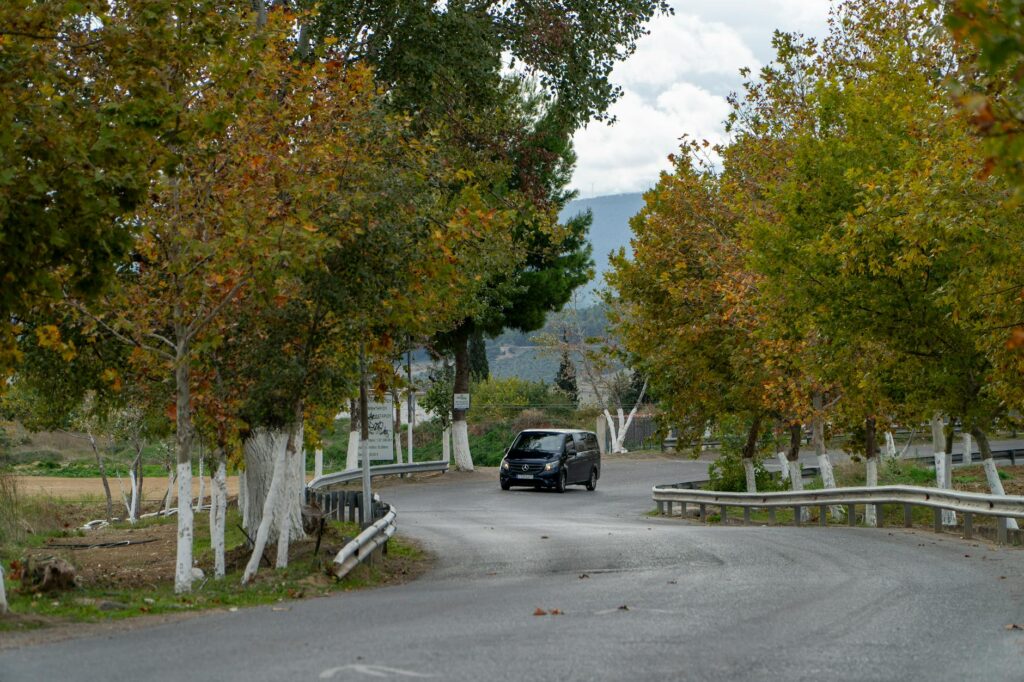
Greece mountain driving isn’t for the faint of heart, but it’s absolutely worth experiencing if you’re ready for it. Whether you’re planning to tackle the hairpin turns of Mount Pelion, navigate the dramatic Pindus range, or explore lesser-known alpine routes, understanding how to drive safely on Greece’s mountain roads can mean the difference between a thrilling adventure and a white-knuckle nightmare. These roads are stunning, but they demand respect, preparation, and the right mindset behind the wheel.
Why Greece Mountain Driving Requires Special Attention
Greece’s mountainous terrain covers about 80% of the country, and many of the most scenic routes wind through alpine passes that climb thousands of meters. The Pindus mountain range, which runs through central Greece, features roads that reach elevations of 1,700 meters or more. Mount Pelion in Thessaly offers dramatic coastal views but with curves that test even experienced drivers. The Meteora region presents steep climbs alongside sheer drops.
Unlike major highways, many mountain roads in Greece haven’t been widened or modernized in decades. You’ll encounter single-lane sections where two cars barely fit, gravel surfaces, and guard rails that seem more decorative than protective. Weather conditions can change rapidly. Fog rolls in unexpectedly. Rain turns gravel into slippery hazards. Snow appears in winter months, sometimes with little warning.
According to Visit Greece’s official tourism site, mountain regions attract thousands of visitors annually, yet many arrive without understanding the specific challenges Greece mountain driving presents. That’s why local knowledge and practical preparation aren’t luxuries, they’re necessities.
Essential Vehicle Checks Before Greece Mountain Driving
Before you point your rental car toward any alpine route, do a thorough vehicle inspection. This is non-negotiable.
- Brakes: Mountain driving means constant braking on long descents. Check brake fluid levels, test responsiveness, and listen for any squealing or grinding. If your rental car’s brakes feel spongy or unresponsive, don’t accept it. Request a different vehicle.
- Tires: Look at tread depth. Mountain roads demand good grip. Summer tires are acceptable from May through October, but if you’re driving in winter or early spring, insist on appropriate winter tires. Check tire pressure too, as it changes with altitude.
- Cooling system: Engines work harder climbing mountains and generate more heat. Verify coolant levels are full and the radiator isn’t clogged.
- Lights: Headlights, tail lights, and fog lights all matter on winding roads where visibility drops quickly. Test them before sunset.
- Windshield wipers and fluid: Mountain weather changes fast. You’ll want reliable wipers and plenty of washer fluid for dust and bugs.
When you’re renting a car in Greece, many budget operators offer basic vehicles without extra features. That’s fine for coastal driving, but for mountain routes, it’s worth understanding what your vehicle offers. Check whether it has power steering (essential for tight turns), functioning air conditioning (for hot climbs), and adequate cargo space (you’ll want supplies).
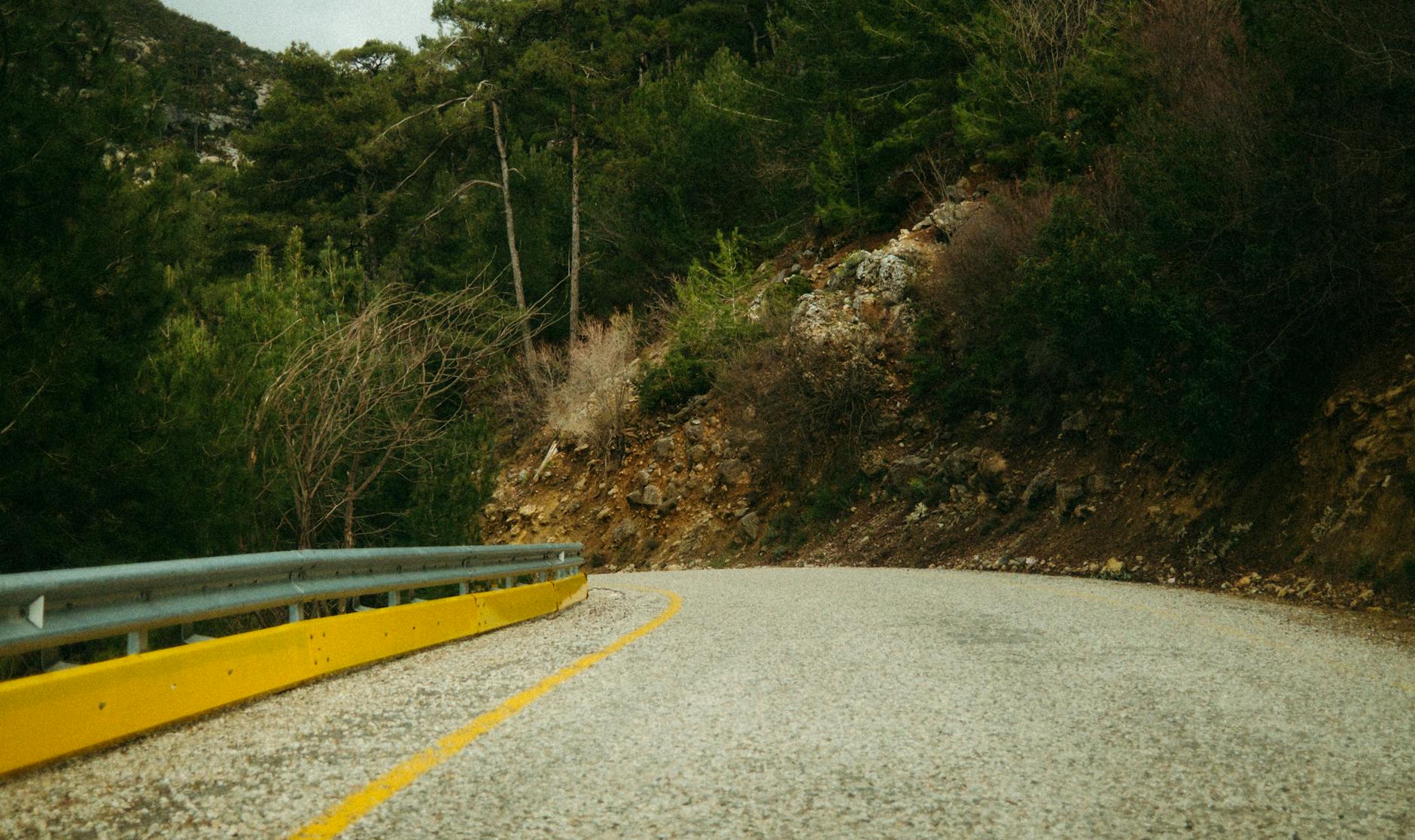
Technical Driving Techniques for Mountain Roads in Greece
Greece mountain driving demands different techniques than highway driving. Here’s what actually works on these roads.
Descending safely: This is where most accidents happen. Don’t ride your brakes continuously, which causes brake fade and can leave you unable to stop. Instead, shift to a lower gear (2nd or 3rd) and let engine braking do the work. Use brakes gently and intermittently to control speed. On really steep sections, brake, let the engine slow you down, then brake again.
Ascending strategy: Downshift before you reach a steep section. Your engine should be at around 3,000-4,000 RPM, giving you power to climb without straining. Maintain steady speed rather than accelerating and decelerating erratically. Don’t stop on inclines unless absolutely necessary, as restarting on steep grades is tricky.
Cornering on curves: Slow down before entering a turn, not during it. Brake on straightaways, then accelerate gently through the apex of the corner. Look ahead to see where the road goes beyond the immediate curve. Many Greece mountain driving accidents happen because drivers brake mid-curve, losing traction.
Handling one-lane sections: When you encounter a single-lane passage on a two-way road, use your horn before entering. Look ahead for oncoming traffic. If you meet another vehicle, the car going downhill should back up to a wider section. It’s an unwritten rule but universally followed.
For seasonal considerations, check our guide on driving in Greece during winter, which covers how conditions change dramatically on mountain passes during colder months.
Specific Mountain Routes and What to Expect
Let’s look at actual routes so you know what Greece mountain driving really involves.
Mount Pelion (Thessaly): The road from Volos to the summit villages of Portaria and Makrinitsa climbs about 1,600 meters over roughly 30 kilometers. Expect 60-90 minutes of driving with constant curves, narrow sections, and stunning Aegean views. The road is paved but tight. In summer, tourist traffic adds pressure.