

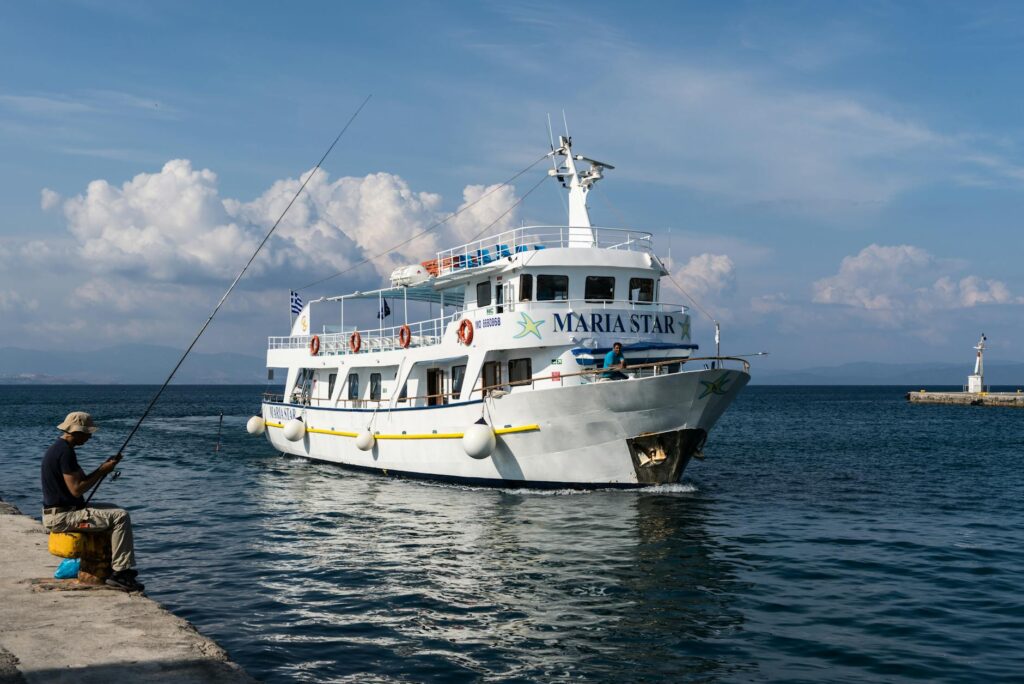
Imagine driving your rental car straight onto a ferry, watching the mainland fade behind you as you approach a Greek island you’ve never explored. That’s the magic of planning Greece car ferry routes, and it’s one of the best-kept secrets for maximizing your island-hopping adventure. Whether you’re dreaming of winding through Crete’s mountain villages, discovering hidden beaches on Naxos, or exploring the Peloponnese’s ancient ruins before island-hopping, understanding how to navigate Greece car ferry routes will transform your Greek vacation from a collection of day trips into a genuine road trip across land and sea.
Why Choose Greece Car Ferry Routes for Your Island Adventure?
Here’s the thing: renting a car in Greece and taking it on ferries gives you freedom that regular tourists don’t have. You’re not stuck waiting for island taxis, you’re not overpaying for organized tours, and you’re not dependent on public bus schedules that seem designed by someone who’s never actually tried to catch a ferry on time.
Greece has incredibly diverse islands, each with its own character. The Ionian Islands (Corfu, Zakynthos, Kefalonia) are lush and green, with dramatic cliffs and fewer crowds than their Aegean cousins. The Cyclades (Santorini, Mykonos, Naxos) offer those iconic white-washed villages and volcanic landscapes. The Dodecanese (Rhodes, Kos) sit closer to Turkey and have a unique cultural blend. Having your own car means you can explore the backroads, find family-run tavernas, and visit archaeological sites without waiting for a tour group to show up.
The practical benefit is cost savings. A car rental for 10 days costs around 200-350 euros with Idea Mobility’s budget-friendly rates, and ferry crossings run 30-80 euros per vehicle depending on the route and season. Compare that to paying 40-60 euros per person for guided tours on each island, and the savings add up fast.
The Main Greece Car Ferry Routes Explained
Not all Greece car ferry routes are created equal. Some are well-established highways of the sea with multiple daily departures. Others run just a few times weekly and require careful scheduling. Let’s break down the most popular and practical options.
Ionian Sea Routes: Patras to the Western Islands
Patras is your gateway to the Ionian Islands. It’s Greece’s third-largest city and sits on the northwest coast. From here, you’ve got ferry connections to Corfu (about 9 hours), Kefalonia (around 3.5 hours), and Zakynthos (approximately 2.5 hours). These routes are run primarily by Ionian Ferries and Superfast Ferries, and they’re remarkably reliable.
The Patras to Kefalonia route is particularly popular because Kefalonia is huge (it’s the largest Ionian island) and worth spending 3-4 days exploring. You’ll drive through pine forests, visit Myrtos Beach (voted one of Europe’s best), and navigate some seriously impressive mountain roads. Just make sure you’re comfortable with winding drives if you attempt this.
Aegean Routes: Piraeus and Rafina to the Cyclades and Beyond
Piraeus is basically Athens’ port, just 12 kilometers southwest of the city center. It’s the busiest ferry hub in Greece, and that means frequent departures and competitive pricing. From Piraeus, you can reach:
- Mykonos (about 5-6 hours on regular ferries, 2.5 hours on fast ferries)
- Santorini (8-10 hours on regular ferries, 3.5 hours on fast ferries)
- Naxos (5-6 hours on regular ferries, 3 hours on fast ferries)
- Paros (4-5 hours on regular ferries, 2.5 hours on fast ferries)
If you’ve got time and a tighter budget, regular ferries cost about 30-50 euros for a car, while fast ferries run 60-90 euros. The trade-off is obvious: fast ferries get you there in half the time, but you’ll pay for that convenience.
Rafina, on the east coast near Athens, is less crowded than Piraeus and operates ferries to the same islands with slightly cheaper fares. It’s worth considering if you’re picking up a rental in Athens and want to avoid the chaos of Piraeus.
Dodecanese Routes: Rhodes and the Eastern Aegean
If you’re spending serious time in the southern Aegean, Rhodes is your hub. From Rhodes, you can reach Kos (about 90 minutes by fast ferry), Kalymnos, Leros, and Patmos. These islands are less crowded than the Cyclades and have amazing beaches, sponge-diving history (especially on Kalymnos), and fewer Instagram crowds.
The downside: if you’re coming from Athens, getting to Rhodes takes 10+ hours by ferry. Many travelers fly instead, rent a car in Rhodes, and explore the eastern islands from there.
Understanding Greece Car Ferry Routes: Booking and Logistics
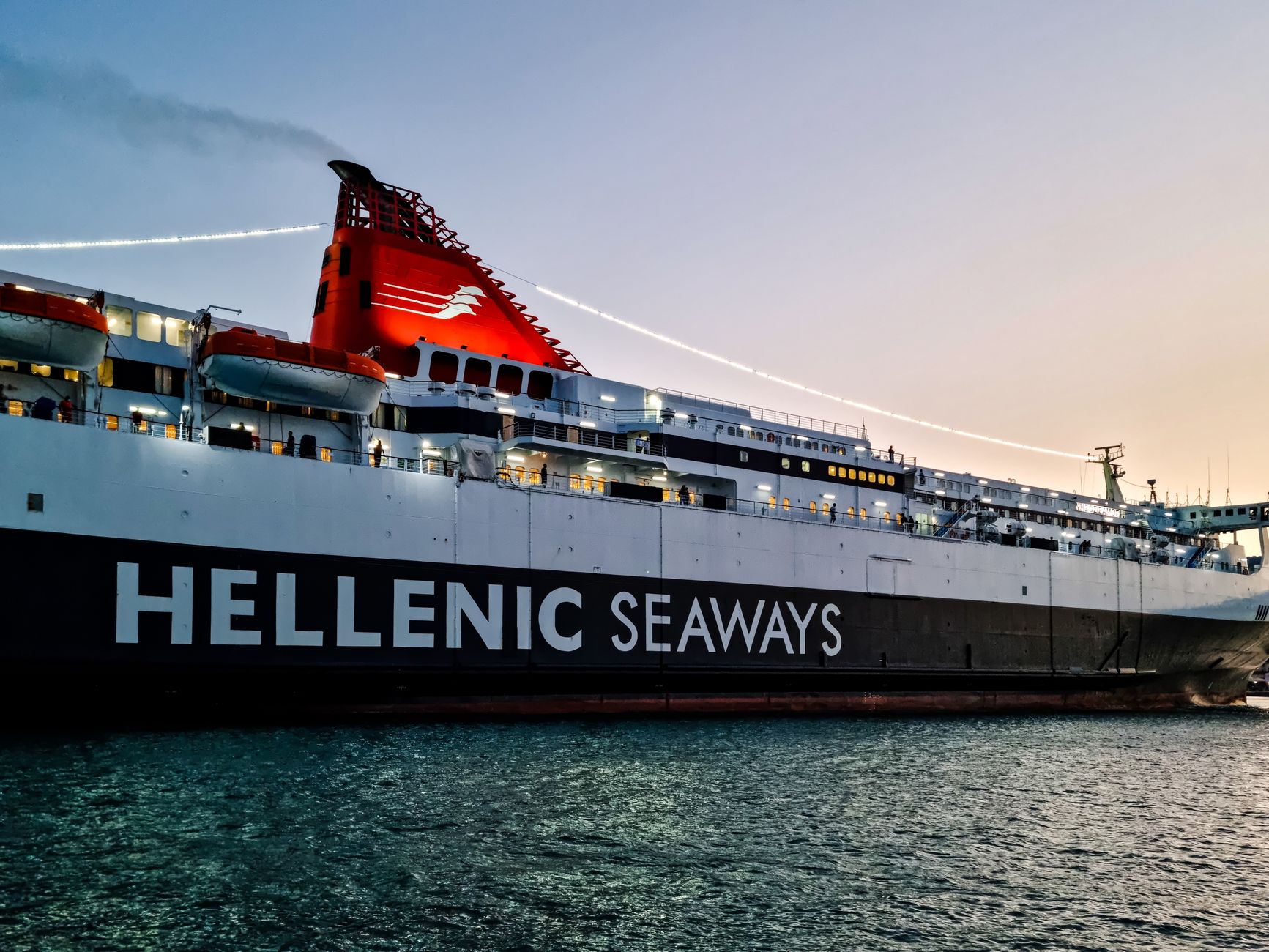
Planning Greece car ferry routes requires a slightly different approach than booking passenger ferries. You need to reserve your vehicle space, and you’ll typically pay by vehicle size (compact car, sedan, SUV), not by passenger count. A small economy car costs less than a large SUV, which is worth remembering when you’re deciding what rental to book.
Here’s the practical process:
- Check ferry company websites directly (Blue Star Ferries, Superfast, Minoan, ANEK) or use aggregators like Greek Ferries to compare routes and prices
- Book 1-2 weeks ahead during peak season (June-September) to guarantee a spot, especially if you’re traveling with a vehicle
- Arrive at the port 1.5-2 hours before departure for vehicle ferries (longer than passenger-only ferries)