

Finding your way around Greece by car is one of the best ways to explore beyond the typical tourist trail. But if you’re planning a road trip across the country, you’ll need to know the ins and outs of refueling. Whether you’re heading to remote mountain villages or island-hopping via ferry, understanding how greek petrol stations work will save you money, stress, and time on the road. This guide breaks down everything you need to know about fuel prices in Greece, where to find petrol stations, and how to budget smartly for your rental car adventure.
Understanding Greek Petrol Stations: Where They Are and How They Work
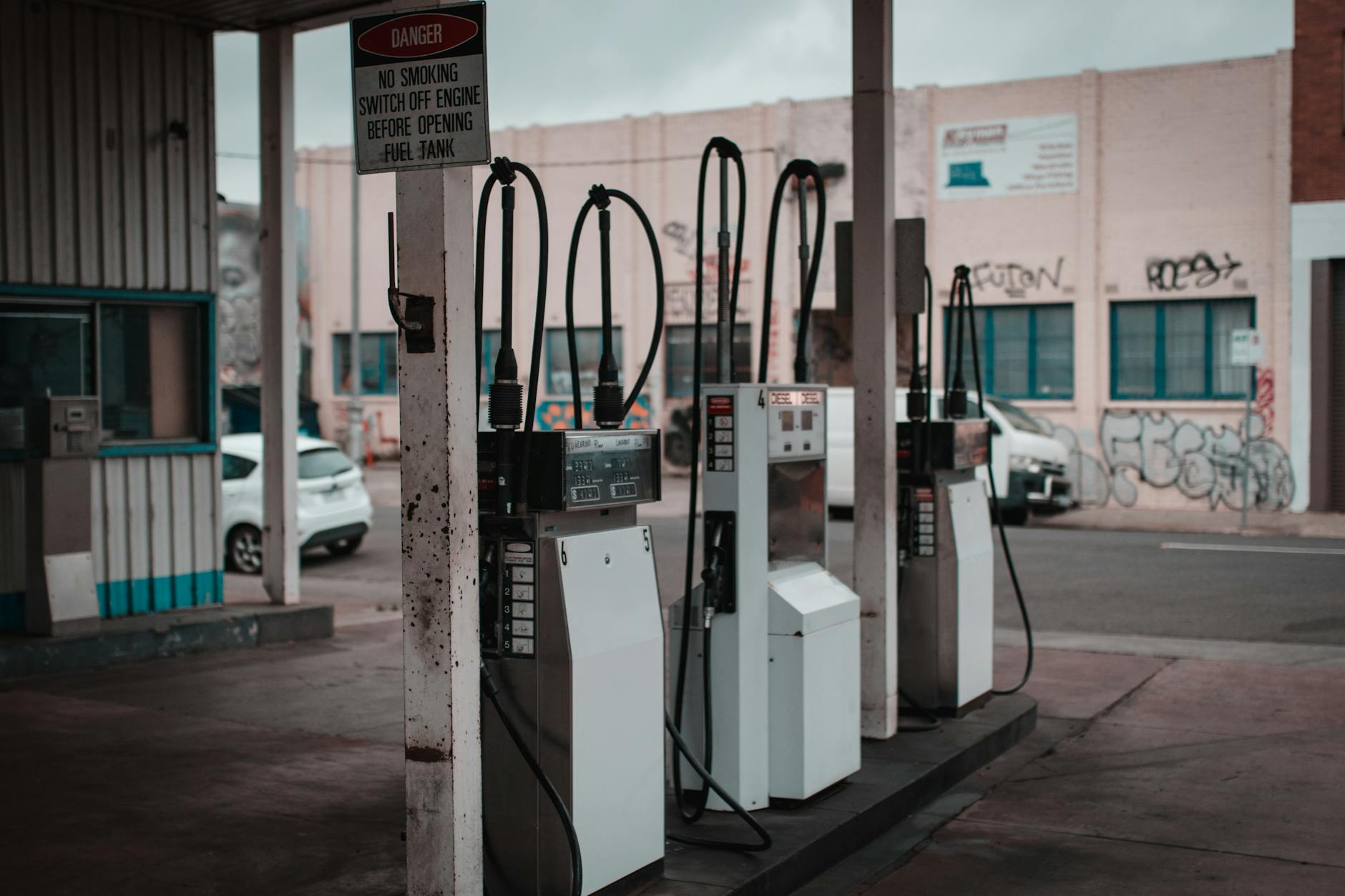
Greece has a solid network of greek petrol stations spread across the mainland and islands, but they’re not always where you’d expect them. Unlike some countries where petrol stations cluster around highways, Greek stations are scattered more thinly, especially once you venture into rural areas or smaller islands.
The major chains you’ll encounter include Hellenic Petroleum (under the Sunoco and Coral brands), Shell, EKO, Revoil, and BP. Each operates slightly differently, and understanding these differences helps you plan better. According to Visit Greece’s official travel site, fuel availability can vary dramatically between regions, so it’s smart to fill up when you see a station rather than banking on finding one further down the road.
Most greek petrol stations are open from early morning (around 6am) until late evening (10pm or later at major locations). However, in smaller towns and villages, opening hours can be sporadic. Weekend hours are often shorter too. This is crucial to remember when you’re planning a long drive through less populated areas.
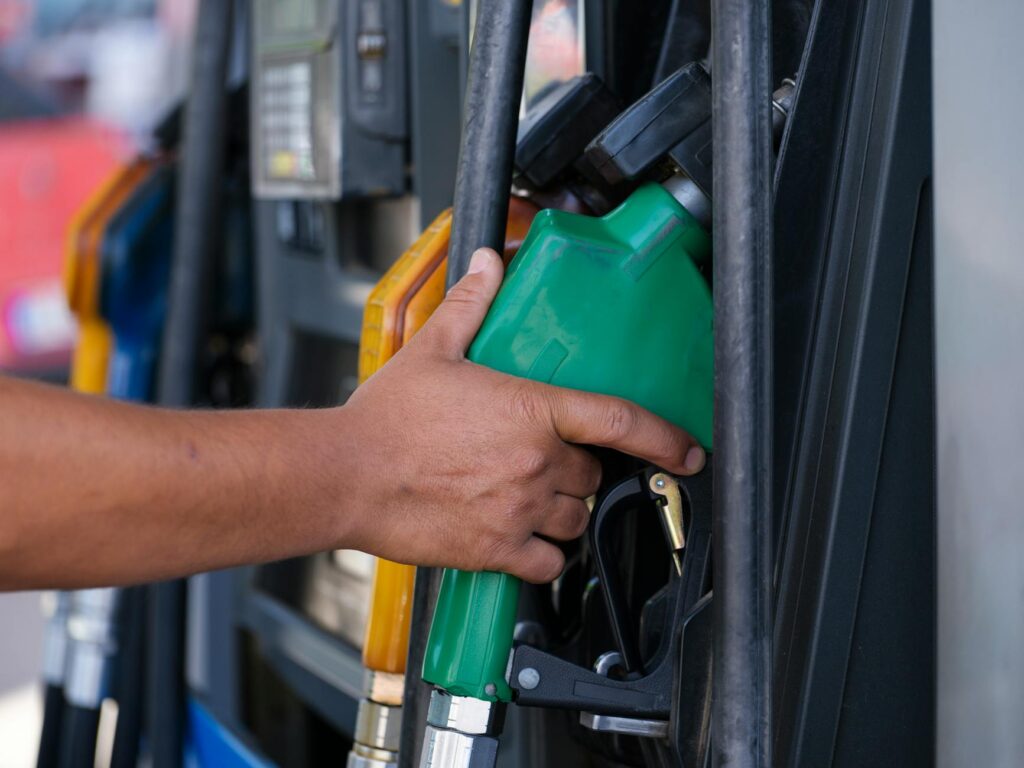
Self-service pumps are becoming more common at larger stations, but many smaller stations still require you to prepay inside the shop and tell the attendant which pump number you’re using. This can be a bit confusing if you’re not expecting it, but it’s straightforward once you know what to do.
Fuel Prices in Greece: What You’ll Actually Pay
Fuel costs in Greece tend to be higher than many other European countries, and prices fluctuate based on global oil markets. As of 2024, expect to pay between 1.60 and 1.85 euros per liter for unleaded 95 octane fuel (the standard for most rental cars). Diesel is usually slightly cheaper, around 1.50 to 1.70 euros per liter.
These prices vary by location and chain. Sunoco and Shell stations tend to be slightly more expensive, while smaller local brands may undercut them by 5-10 cents per liter. The difference adds up quickly on a longer trip. If you’re renting a mid-sized sedan and planning to drive 1,000 kilometers, you could easily spend 200-250 euros on fuel alone.
Here’s what influences fuel prices at greek petrol stations:
- Location: Island stations are noticeably pricier than mainland stations due to shipping costs
- Distance from major cities: Rural stations in the Peloponnese or Crete charge more than those near Athens or Thessaloniki
- Brand and amenities: Stations with car washes, convenience shops, and restaurants charge premium prices
- Time of year: Summer brings slightly higher prices due to increased tourism demand
Pro tip: Fill up in larger towns and cities where competition keeps prices down. If you’re heading into the mountains or to smaller islands, top up beforehand. Running low on fuel in a remote area can force you to pay inflated prices or deal with stress.
Payment Methods at Greek Petrol Stations
Most modern greek petrol stations accept both cash and cards. Debit and credit cards (Visa, Mastercard, American Express) are widely accepted at larger chains. However, smaller rural stations may be cash-only, so always carry some euros with you.
Contactless payments are becoming standard, which is convenient. If you’re paying at the pump rather than inside, your card will typically go through first to authorize the transaction, then the final amount is charged based on how much fuel you actually put in.
One thing to watch: some stations charge slightly different prices for card versus cash payments. It’s rare, but it happens. Check before you pump. Also, be aware that rental car companies often require you to present the rental agreement when paying by card to avoid potential fraud flags.
Strategic Fuel Planning for Your Rental Car Journey
Smart fuel planning saves both money and frustration. Here’s how to approach it:
Check your route before you leave. If you’re doing a scenic drive through the Peloponnese or heading up to the Meteora monasteries, identify where petrol stations exist along your route. Apps like Google Maps show fuel station locations, though the data isn’t always current for smaller Greek stations.
Understand your rental car’s fuel consumption. Most economy cars (the standard for budget rentals) consume between 5-6 liters per 100 kilometers. A mid-sized sedan or small SUV might use 6-7 liters per 100 kilometers. Knowing this helps you calculate fuel costs into your overall trip budget, especially if you’re comparing rental costs. Our Greece car rental costs guide breaks down exactly how fuel fits into your overall budget for 2026 travel.
Fill up strategically. Always top up before leaving a major city. If you’re heading to islands, fuel up on the mainland first. Island petrol stations charge significantly more. Similarly, if you’re planning mountain driving on Greece’s winding alpine routes, fill up in the last town before you head uphill, as fuel consumption increases on steep terrain.