

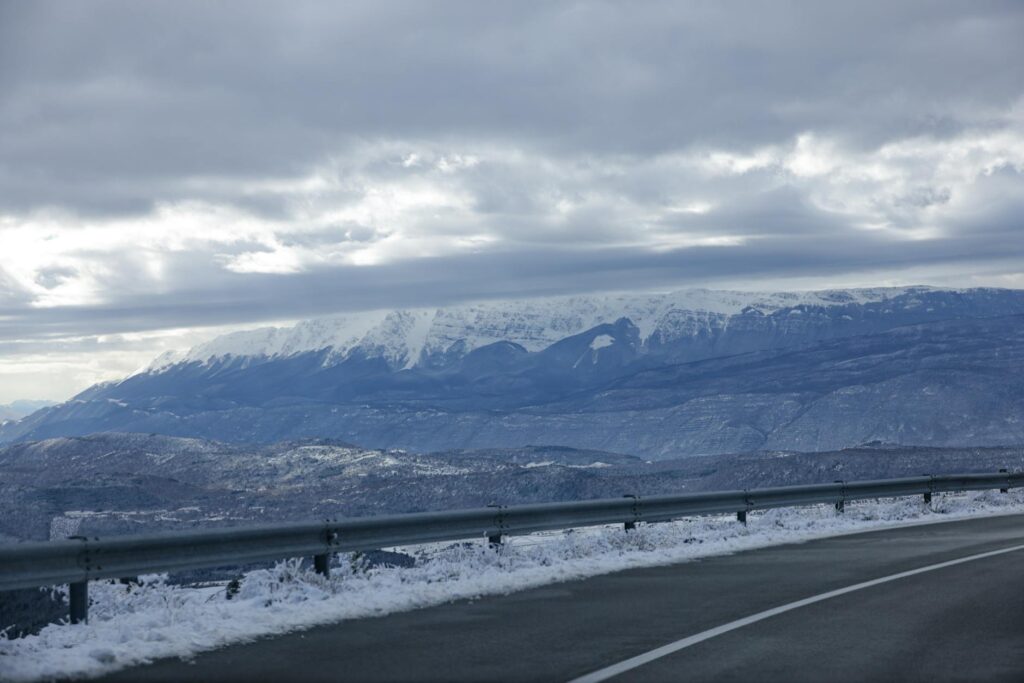
If you’re thinking about driving in Greece winter, you’re probably weighing whether a self-drive holiday makes sense during the colder months. It’s a fair question. Greece in winter isn’t what most travelers imagine, and roads can be very different from the sunny summer season. While the Greek islands stay relatively mild, the mainland mountains get serious snow, and rain can turn peaceful coastal drives into slippery adventures. This guide will help you figure out if driving in Greece winter is right for you and what you need to know to stay safe.
What to Expect When Driving in Greece Winter
Greece’s winter weather isn’t uniform across the country, and that matters a lot for your driving plans. If you’re staying in Athens, Crete, or the southern islands, you’ll probably face rain and occasional cold snaps, but snow is rare. Roads stay mostly clear, and temperatures hover around 10-15°C (50-59°F).
The story changes dramatically if you’re heading to the Pindus Mountains, northern regions, or higher elevations. From December through February, these areas get serious snow and icy conditions. The road from Meteora to the Pilio Mountains, for example, can close completely during heavy snowfall. The National Road (Motorway A1) through northern Greece and the mountain passes can be treacherous.
Rainfall is the bigger threat for most winter travelers. Greece gets most of its annual rain between November and March. Roads become slick, visibility drops, and flash flooding happens occasionally in low-lying areas. According to Visit Greece’s official tourism site, winter storms are brief but intense, especially along coastal and mountainous routes.
One thing that surprises visitors: Greek drivers aren’t always cautious in bad weather. Local drivers know these roads intimately and drive confidently in conditions that might unsettle tourists. Don’t let that pressure you. Stick to your own pace.
Greece Winter Driving Conditions: Road Closures and Travel Disruptions
Before planning a winter road trip, check road closure information. The Greek Ministry of Infrastructure maintains updates on seasonal closures, and the situation changes weekly during peak winter months.
Some routes close predictably every winter:
- Mountain passes in the Pindus range (particularly around Trikala and Larissa) close when snow accumulates beyond 10cm
- The road to Metsovo (a beautiful mountain village at 1,156 meters) gets blocked regularly from January to early March
- Passes in the Rhodope Mountains near the Bulgarian border face seasonal restrictions
- Some roads to ski resorts (like Pelion) require chains or special permits during winter
Check Google Maps traffic conditions before setting out each morning. Greek authorities also publish updates through local prefectures and the Hellenic Police website. Download the app “Road Conditions Greece” for real-time updates.
What this means practically: if you’re renting a car for driving in Greece winter, avoid planning tight itineraries with long mountain drives. Build in buffer days. A 200km journey that takes 2.5 hours in summer might take 4+ hours in winter or be impossible on certain days.
Winter Road Safety for Driving in Greece Winter
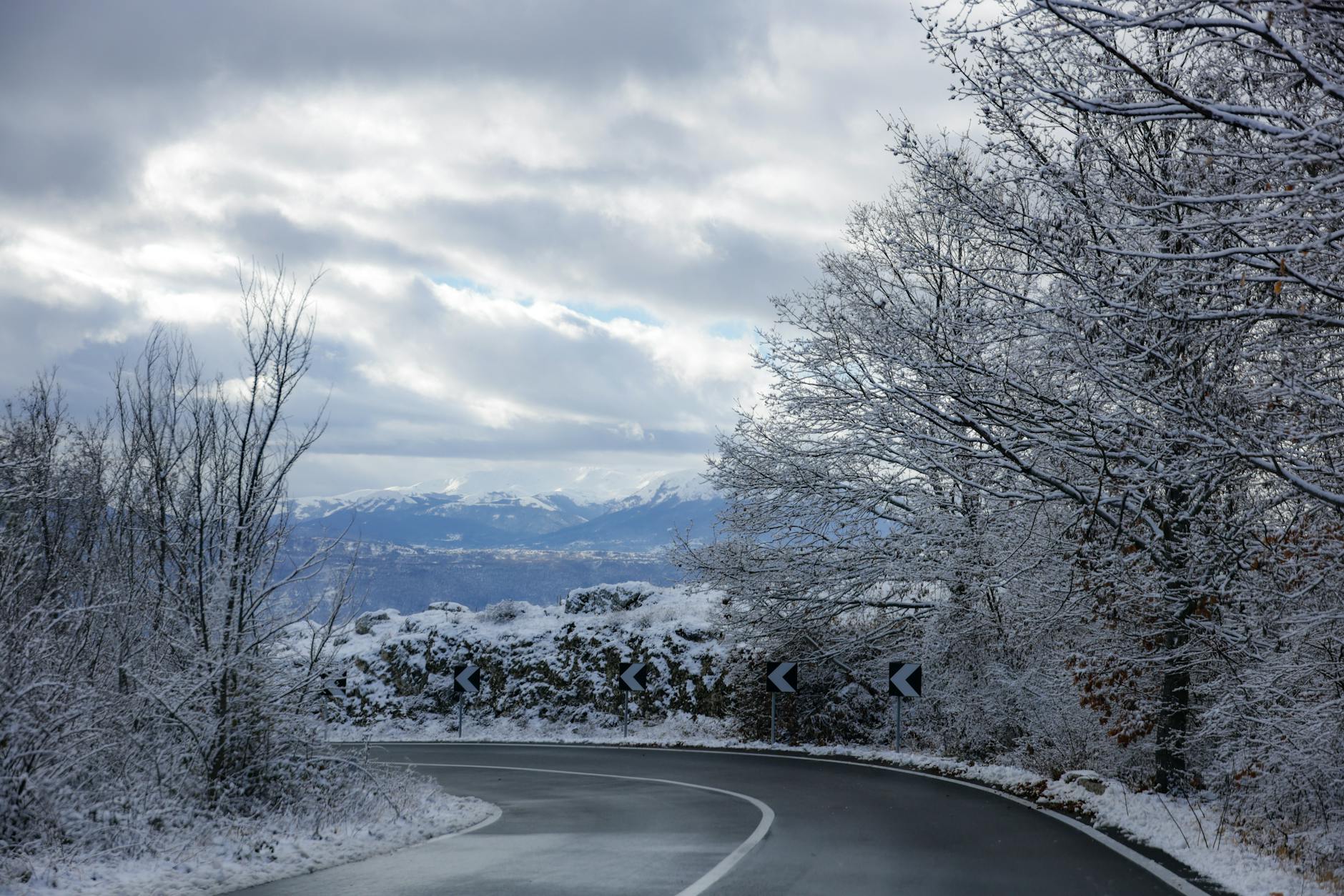
Let’s talk about staying safe. Driving in Greece winter demands specific precautions that summer travelers don’t need to consider.
Essential winter gear to bring or request:
- Winter tires (legally required in Greece November 1 through March 31 for certain routes). Many rental companies automatically swap summer tires for winter ones if you book a winter rental, but confirm this when reserving.
- Snow chains (absolutely mandatory for mountain driving). Even if you don’t use them, police can fine you up to 700 euros for not having them available.
- Headlight beam adjusters (because European headlights aim differently than many drivers expect)
- Warning triangles and a high-visibility vest (legally required in Greece)
- A spare tire, jack, and basic tools
If you’re uncomfortable driving in snow or heavy rain, winter self-drive might not be your trip. There’s no shame in taking buses or ferries instead. Greece’s bus network (KTEL) is excellent and affordable, and taxis are reasonably priced for longer distances.
A few practical safety tips:
- Drive during daylight hours whenever possible. Winter days are short (sunset around 5pm in December), and mountain roads are scarier in darkness.
- Fill up your gas tank regularly. Remote areas have fewer gas stations, and some close early in winter.
- Keep your phone charged and download offline maps. Cell service is sometimes spotty in mountains.
- Travel with water, snacks, and a blanket in case you get stuck. It’s rare but it happens.
Insurance and Protection for Winter Driving in Greece
Winter driving increases risks, so insurance becomes even more important. When you rent a car for driving in Greece winter, make absolutely sure you understand your coverage. Standard third-party insurance (required by law) covers damage you cause to other vehicles and property, but it doesn’t cover your rental car.
You’ll want Collision Damage Waiver (CDW) or Comprehensive coverage. Winter accidents are more common, and a single fender bender in a rental can cost 800-2000 euros with personal liability. Read our detailed guide on car rental insurance for more information.